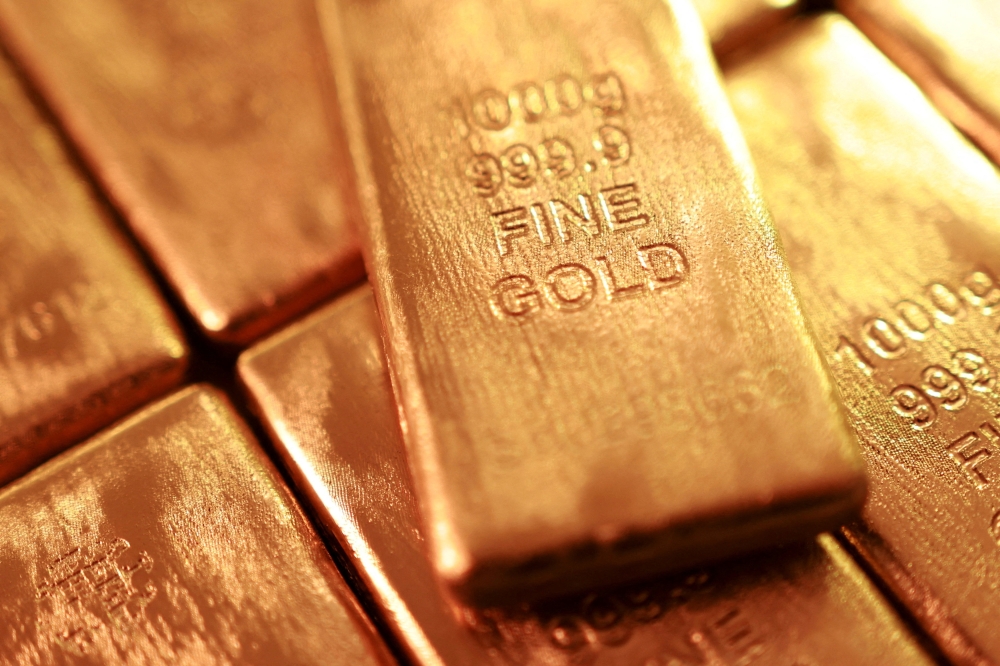





The World Gold Council’s Q2 2026 Gold Demand Trends report reveals that total gold demand was flat year-on-year at 1,269t, as the gold price eased from the record highs seen at the start of 2026. This pushed demand for H1 2% higher year-on-year to an estimated 2,522t worth US$380bn.
Investment in gold ETFs, bars and coins dropped to 262t in Q2, as the lower gold price tempered the strong momentum seen earlier in the year. The decline was primarily driven by 45t of outflows from gold-backed ETFs in Q2, although first-half ETF demand remained modestly positive at 18t. Bar and coin investment was relatively stable, down just 3% year-on-year in Q2, while first-half demand was still 21% higher than at this point last year, supported by an exceptional first quarter. On the other hand, demand in the OTC market, helped by Asian investment, came in at 327t in Q2 and a healthy 571t in H1.
Central banks and other official institutions added a net 289t to reserves in Q2, up 62% year-on-year, as buying picked up across several markets. Despite the stronger second quarter, first-half demand remained below the elevated levels seen in recent years due to weaker activity in Q1.3 The WGC’s Central Bank Gold Reserves Survey showed that 45% of respondents intend to increase their own gold reserves over the next 12 months, highlighting gold’s enduring importance in official reserves.
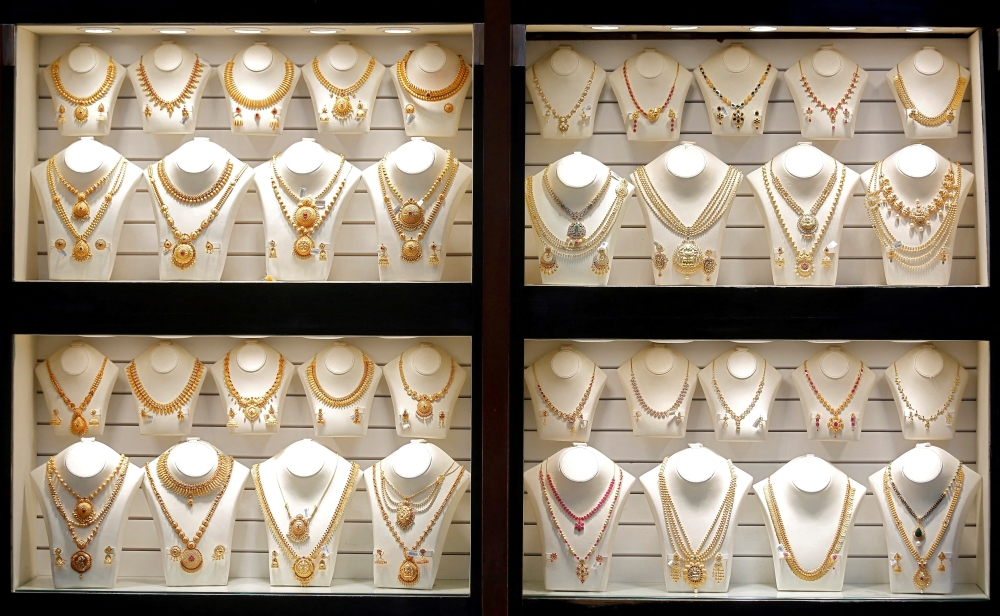
High prices continued to weigh on jewellery demand in Q2, which fell 17% year-on-year as consumers bought less gold and shifted towards lighter products. This pulled first-half volumes lower, but the value of jewellery demand was resilient, rising 22% year-on year in H1 to a global total of US$86bn.
-
Oman Observer is now on the WhatsApp channel. Click here